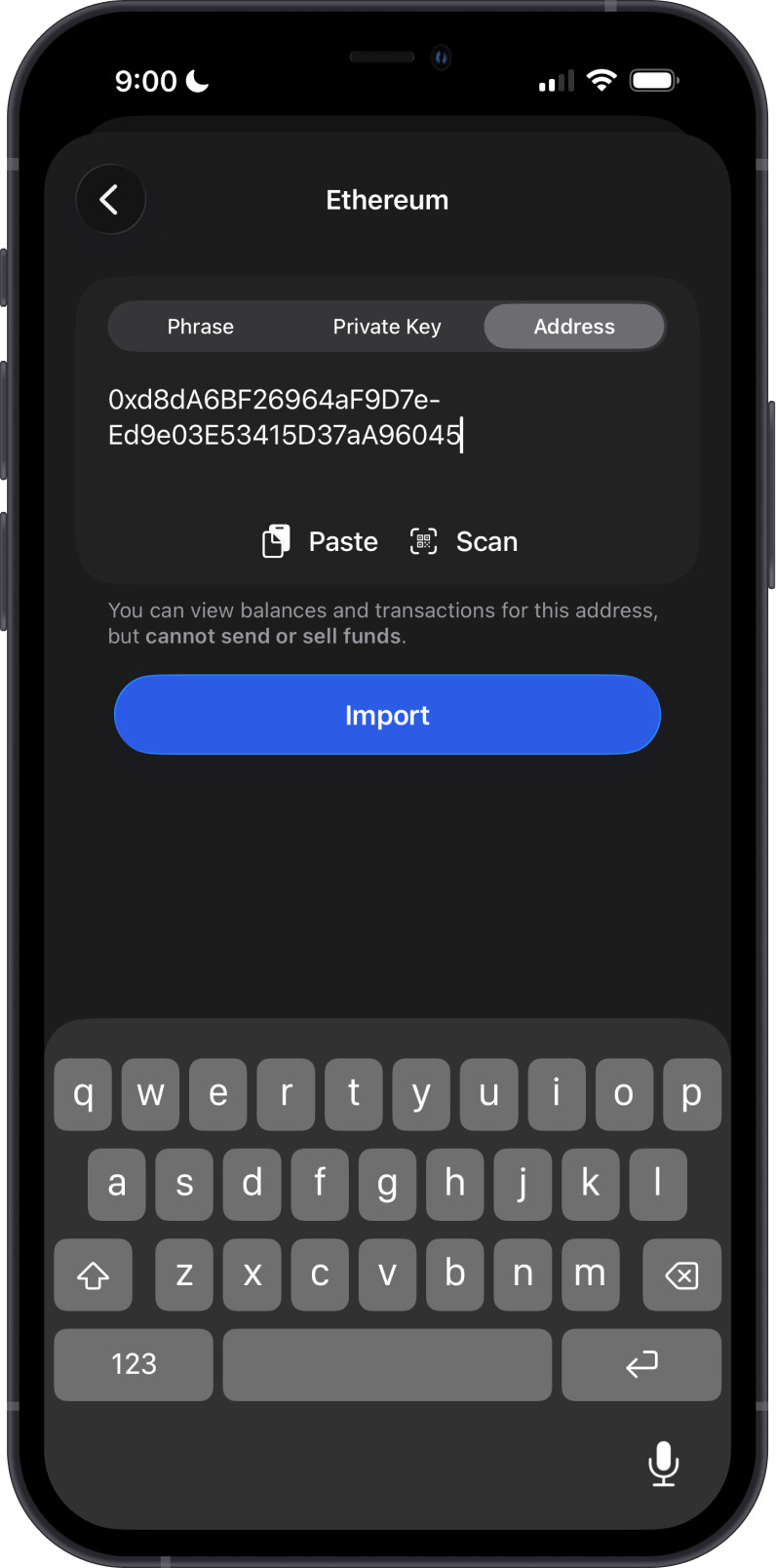
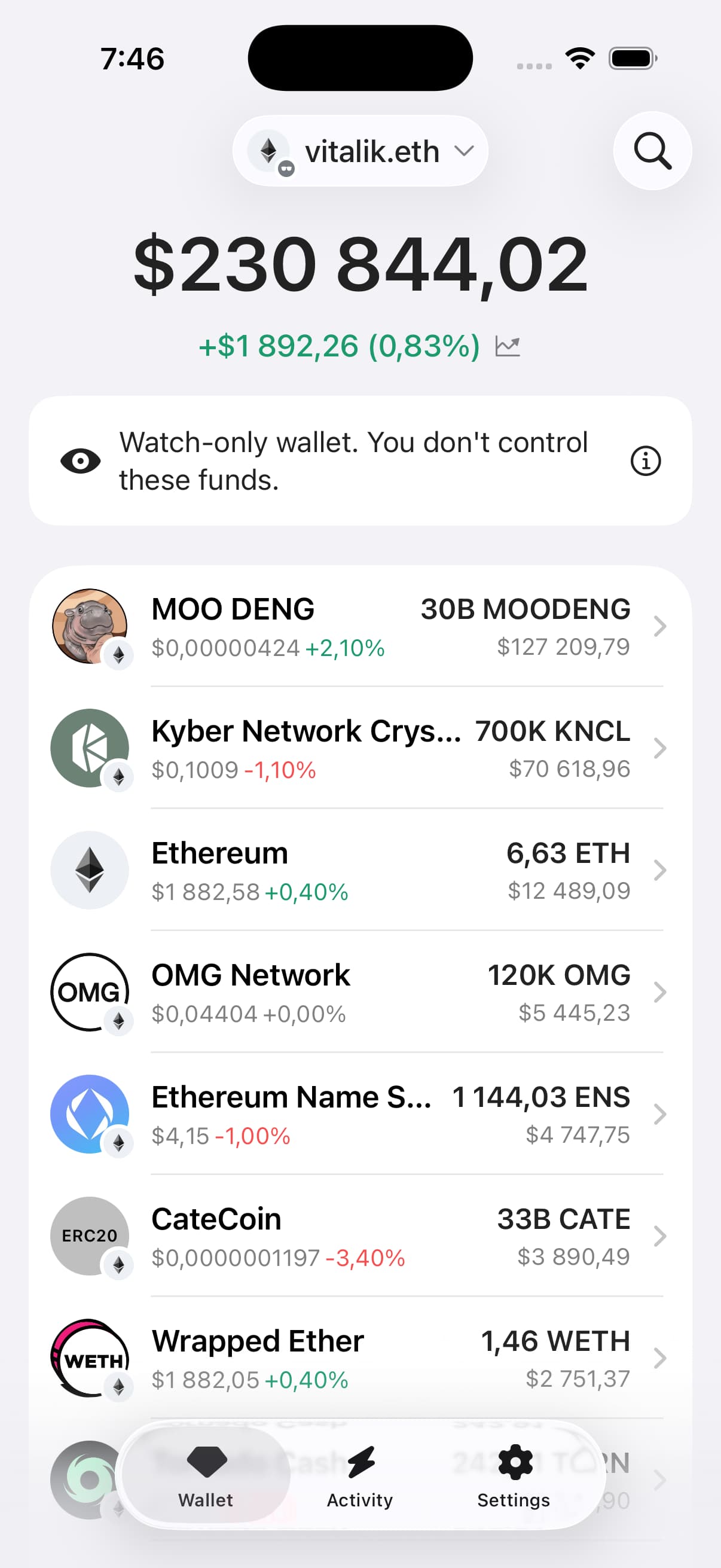
We have observed a recurring support pattern at Gem Wallet: users import the following BCH address as a watch-only wallet and then contact support asking how to withdraw or sell its balance:
qpm2qsznhks23z7629mms6s4cwef74vcwvy22gdx6a
These users do not appear to possess the private key or recovery phrase. Importing a public address only allows the wallet to display its on-chain activity; it does not establish ownership or provide spending authority.
This particular address is widely used as a CashAddr example in documentation. It corresponds to the legacy example address:
1BpEi6DfDAUFd7GtittLSdBeYJvcoaVggu
It has also appeared in previous reports where someone copied the example address and accidentally sent BCH to it. The repeated support cases suggest that scammers may be directing people to import this public address into watch-only wallets, then falsely claiming that the displayed balance belongs to them.
This raises a broader wallet UX question: how should BCH wallets prevent users from confusing visibility with ownership?
Some possible safeguards:
- Display a persistent and prominent Watch-only / View-only label.
- Warn during import that a public address does not provide control of its funds.
- Disable sending, swapping and cashing out, with an explanation that the private key is unavailable.
- Avoid language such as “your balance” for watch-only accounts.
- Ensure support diagnostics clearly distinguish key-backed wallets from watch-only wallets.
Have other BCH wallet teams encountered this scam pattern? Are there existing conventions for communicating watch-only status that have worked particularly well?
 You do not own this balance